

I think back to launching a casino app that had been built for desktop and then crammed onto a phone screen. Buttons were small, text needed scaling, and the entire experience felt like gaming through a keyhole. That moment hammered in that mobile-first design isn’t a luxury—it’s a rethinking of digital casino experiences. When I consider platforms like Vegas Hero Casino, the best mobile designs don’t just shrink desktop sites. They rework interaction logic around the thumb. The typical French player now devotes more time on casino apps than desktop sites, and that share grows every quarter. A genuinely good mobile-first casino design isn’t just flexible code. It prioritizes touch targets, load speed, and one-handed navigation. I intend to walk through what that approach translates to in practice, from setting up the app to daily rituals like playing a slot or joining a live table.
What Mobile-first Truly Means in a Casino Context
When I discuss mobile-first design, I do not mean a website that functions on a phone. I refer to a product where every decision originates from mobile constraints and then grows to larger screens. In a casino setting, this has specific implications. The main input is a thumb, not a mouse cursor, so touch targets have to be larger and easier to hit. The screen is tall and narrow. Network conditions vary as players move between Wi-Fi and 4G or 5G. A mobile-first casino builds the game lobby around these realities. Slot thumbnails are large enough to tap without mistakes. The deposit button sits in the lower third where a thumb naturally rests. Critical actions are not concealed inside hamburger menus. This constraint demands hard choices. A desktop site may display twenty game categories in a sidebar; a phone might show five core categories and a clear path to the rest. That limitation is a gift because it forces the casino to showcase what players need most often without clutter.
Account Administration, Protection, and Responsible Play on Mobile
Account Management and Deposits
Managing money on a phone screen requires clarity and straightforwardness beyond standard mobile optimization. I must to see my balance at a glance from any screen, not tucked in a menu. The deposit process should need as few steps as possible, with popular French payment methods like Carte Bancaire, PayPal, and Paysafecard listed first with recognizable logos rather than text-only labels. A mobile-first casino designs its cashier flow understanding the user might be interrupted. The session should persist so a player who switches to a banking app for authentication returns to a completed deposit rather than a timeout error. Withdrawal requests merit equal attention. I’ve used casino apps where the withdrawal form was a shrunken desktop page, requiring horizontal scrolling and microscopic input fields. That undermines trust exactly when trust matters most. The best mobile designs make depositing effortless and withdrawing secure and transparent, with clear progress indicators and optional push notifications.
Security and Safe Gambling
Security on mobile presents unique challenges that a mobile-first casino must address directly. I expect biometric authentication such as fingerprint or face recognition to be integrated from the first version, not added later. It’s more secure and more convenient than typing a password on a small keyboard. The app should also handle session timeouts intelligently, locking sensitive areas after inactivity but not logging a player out of a game they were thinking about. Responsible gaming tools need to be just as accessible as deposits. Deposit limits, loss limits, and session time reminders should be configurable within the app, not hidden in a desktop-only settings page. A mobile-first approach also considers the unique risks of mobile gambling: the device is always in your pocket, making impulsive sessions more likely. A prominent session timer and a one-tap cooling-off button aren’t just regulatory checkboxes; they are design decisions that honor the player’s wellbeing.
How Download and Installation Determine First Impressions
Finding the Right Source for the App
Before I ever view a game lobby, my first interaction with a mobile casino is the download process. This step often is neglected, but it sets the tone. For French players using platforms like Vegas lemonde.fr Hero Casino, the safest route is to download the app directly from the official website rather than third-party stores that may host outdated versions. I always advise navigating to the verified URL on a mobile browser and looking for a clearly marked download section. The best operators make this path clear, with a prominent button that detects the device type and serves the correct file. A mobile-first download page is fast-loading, free of graphics that slow down a cellular connection, and written in clear French explaining what permissions the app requests and why. I’ve tested casino apps where the download page took twelve seconds on 4G, and many players leave the process before it completes. Every second matters here.
Setup Steps for Android and iOS
The installation process is different between operating systems, and a well-designed mobile-first casino accounts for both paths. On Android, installing an app from outside the Google Play Store requires enabling installations from unknown sources. The best casino apps direct users through this setting with clear, step-by-step instructions rather than leaving them to figure it out alone. The app should request only the permissions it genuinely needs and clarify each one when requested, not all at once. On iOS, the process is usually easier because the app can be distributed through the App Store or a direct installation profile. Still, I see too many casinos treating iOS as an afterthought, with screenshots that show Android interfaces or text referencing buttons that do not exist on iPhones. A genuinely mobile-first team evaluates the installation flow on multiple dw.com devices, including older models that many French players still use. They also take into account users who switch between French and English during setup, so installation guidance should be language-resilient.
Efficiency and Load Speed as Core Design Principles
Why Every Kilobyte Matters
I’ve stood in enough places with unreliable mobile reception to know that casino app performance is emotional, not just technical. When a slot game takes eight seconds to load while the connection indicator spins, excitement morphs into frustration. Mobile-first design treats bandwidth and processing power as precious resources. That means compressing image assets aggressively without visible quality loss, loading game previews lazily as the user scrolls, and keeping the initial download size small enough for limited data plans. I’ve seen casino apps that weigh over two hundred megabytes, a significant barrier on a French mobile plan with data caps. The best operators keep the core app under fifty megabytes and download individual games on demand. They also optimize for the mid-range devices most people actually own, not just the latest flagships. Testing on a three-year-old Android with a simulated slow network reveals more than any lab report.
Offline and Low-connectivity States
One part of mobile-first design that rarely gets enough attention is how the app behaves when the connection drops vegasherocasino-fr.eu. Casino games are live experiences requiring server communication, so full offline play isn’t realistic for most game types. But the app itself shouldn’t freeze or crash. I look for designs that handle disconnection smoothly: a clear but unobtrusive message that the connection has been lost, an automatic reconnection attempt that doesn’t require restarting the app, and preservation of the game state so a player returning from a brief tunnel or elevator ride can resume exactly where they left off. Some of the best implementations I’ve seen allow a player to browse the lobby and read game rules while offline, queueing actions that will execute once the connection returns. This turns a likely infuriating moment into a minor pause and respects the reality that mobile connections are inherently unstable.
Touch-first Navigation and Thumb-accessible Layouts
Once the app is installed, the real test of mobile-first design commences. I pay keen attention to where interactive elements are located. Research on thumb zones shows that the bottom half of a phone screen is the most convenient area for one-handed use, with the center-bottom being the sweet spot. The top corners demand a grip adjustment or a second hand. A mobile-first casino positions its most frequently used controls in that accessible zone: the spin button on slots, the deal button on blackjack, the deposit shortcut, and the game lobby access. I’ve observed apps that put the main menu in the top-left corner, the toughest spot for right-handed users, who make up roughly ninety percent of players. That’s a desktop habit that degrades the experience subtly. Navigation should also utilize swipe gestures where they feel natural. Swiping between game categories, pulling down to refresh, and swiping left or right to browse slots all reduce the need for precise tapping. The best mobile casino interfaces feel physical, responding to touch with immediacy and momentum.
Game Choice Adapted for the Mobile Screen

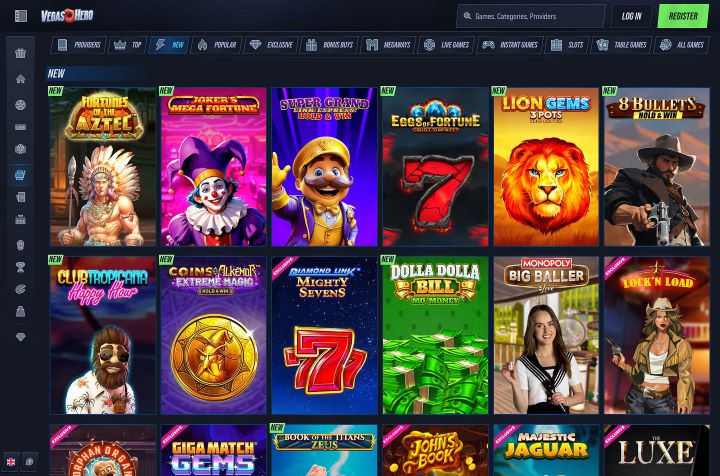
The manner in which a casino displays its game library on mobile tells me a lot about its design priorities. On desktop, a wide grid with hover effects, detailed filtering sidebars, and multiple sorting options is common. On a phone, that approach breaks down. A mobile-first casino redesigns browsing entirely. I want large, easily tappable game tiles arranged in a single column or two-column grid, with game titles easily visible without squinting. The search function should be noticeable and accommodating of typos because mobile typing is prone to errors. Filtering should use large chip buttons rather than tiny dropdown menus. I value when the casino curates the mobile experience instead of placing every game into the same interface. Featuring games suited to mobile play, such as vertically oriented slots or live dealer tables with simplified betting layouts, helps new players find enjoyable experiences faster. A slot quickly ported from desktop may have hard-to-read paytable text and awkward buttons, and the casino should evaluate whether to showcase it prominently at all.
How to Assess a Mobile Casino App Before You Commit
When I assess a mobile casino app, I run through a concrete checklist rather than just seeing if games load. I install the app and track how long it takes from from pressing the download button to viewing the game lobby. Anything over thirty seconds on a decent connection points to poor optimization. I navigate entirely with one hand, trying to reach every major function without adjusting my grip. If I need to stretch my thumb to an uncomfortable angle more than once or twice, the layout fails the thumb-zone test. I also test landscape and portrait orientations. A well-designed mobile casino ought to support both, but excel in portrait mode because that is how most people grip their phones. These are not extreme edge cases; they are common situations for French players on a train, in a café with patchy Wi-Fi, or lounging on a couch with one hand free.
- Download speed: under thirty seconds to access the lobby on a decent connection.
- One-hand reach: every major action reachable without shifting your grip.
- Orientation: portrait and landscape compatibility, with portrait as the primary mode.
- Payments: deposit and withdrawal need few steps and no horizontal scrolling.
- Interruption recovery: airplane mode mid-game activates a clear reconnection state, not a crash.